Always, there comes a point in our lives when these little things begin to play a big role - being able to get up off the floor without discomfort, reaching that item on a high shelf easily, walking across an uneven surface confidently, turning round without stiffness...
And behind all these little actions lies our relationship to strength, balance, mobility and body awareness. At this stage, practising Yoga For Healthy Aging could be something we incorporate into our day-to-day routines and enjoy every step of the way, focusing on maintaining those little things over a lifetime (not pushing ourselves too hard).
Depending on your current level of fitness, your yoga sessions might consist of standing and balance poses one day and involve some gentle spinal movements, breathing exercises or just relaxation another time.
Healthy aging means focusing on all the things you can do to keep participating in daily activities comfortably and independently.But healthy aging isn't about dodging illness or hoping your body will remain exactly how it was when you were in your 20s or 30s. Your body changes naturally with time - including muscle strength, joint mobility and balance. So even if you're moving around easily now, taking care of your health can still have plenty of benefits. These include:
● strength for standing, walking, and everyday tasks;
● balance for steadier movement;
● mobility for bending, reaching, and turning;
● coordination between different parts of the body;
● awareness of posture and movement;
● comfortable breathing; and
● At appropriate periods of rest and recovery.
Another unique aspect of yoga is that it blends physical movements with attention. Rather than just doing an activity without paying much attention to your body, this practice promotes awareness of your stance, breathing, balancing, stretching, and transitions between positions. That mindfulness becomes especially beneficial over time.
● Maintains Attention To Several Aspects Of Physical Function.
● Yoga For Healthy Aging Helps Build Posture Awareness - In simple standing poses, we become aware of our weight distribution and our tendency to lean in certain ways.
● Yoga for Healthy Aging Helps Develop Functional Strength –Standing & balancing postures develop strength that's needed for carrying out day-to-day tasks
● Enhances your balance & coordination, maintains your joint mobility, supports your recovery through relaxation
● Practice should be tailored to the individual.
● Greater difficulties don't necessarily translate into greater benefits as we age.
Maintaining strength and balance can support many ordinary activities from getting out of a chair to walking confidently.
1. Yogendra Sthitaprarthanasana - (Standing Prayer Pose)
A steady standing posture that encourages coordination, balance, postural awareness, and physical steadiness.
Steps
1. Stand erect with the feet as close together as comfortably possible.
2. Keep the knees straight but not stiff.
3. Distribute the body weight evenly from the heels towards the balls of the feet.
4. Keep the neck straight, chin drawn in, and abdomen in its normal contour.
5. Keep the gaze focused on one point straight ahead and allow the body to remain relaxed.
6. Fold both hands in Namaskar Mudra and place them in front of the chest.
7. Keep the shoulders and elbows relaxed.
8. Close the eyes if comfortable, or maintain the gaze on one point, and passively observe the breath.
9. To release, slowly open the eyes and gently lower the hands.
Benefits
● Encourages coordination and balance.
● Develops physical steadiness.
● Supports awareness of standing posture.
● Encourages concentration.
● Promotes awareness of the breath while maintaining an upright position.
Contraindications
● People with acute arthritis of the lower limbs should avoid standing for a prolonged period.
● People with hypotension or varicose veins should not remain standing for too long.
● In case of vertigo, keep the eyes open with the gaze fixed and keep the feet slightly apart.
2. Yogendra Ekpadasana - (One-Legged Pose)
A standing balance posture that develops steadiness, muscular control, concentration, and awareness of the supporting leg.
Steps
1. Stand erect with the hands at the sides and the feet together.
2. Keep the legs straight and distribute the body weight evenly from the heels to the toes.
3. Keep the neck straight, abdomen in its normal contour, and chin drawn in.
4. Focus the eyes on one point straight ahead.
5. With the help of the hands, slowly lift the left leg.
6. Place the left foot against the inner thigh of the right leg, with the toes pointing down.
7. Once balance is established, join the palms in front of the chest in prayer position.
8. Keep the gaze fixed ahead and maintain the pose while breathing normally.
9. Gently lower the left leg with the help of the hands.
10. Repeat on the opposite side.
Benefits
● Strengthens the muscles of the legs and spine.
● Improves body balance.
● Develops endurance and alertness.
● Encourages neuromuscular coordination.
● Develops concentration and awareness while balancing.
Contraindications
● Avoid severe arthritis.
● Avoid significant lower-back pain, sciatica, slipped disc, or vertigo.
● Weak legs or poor neuromuscular coordination may limit the ability to practise this posture safely.
Flexibility is often treated as the ability to bend very far.
That is not particularly useful for healthy aging.
What usually matters more is functional mobility being able to move the body comfortably enough for daily activities.
You need spinal movement to turn and reach. You need comfortable hip and ankle movement to walk and change positions. You need shoulder mobility to dress, reach overhead, and perform ordinary household tasks.
3. Yogendra Marjaryasana–Bitilasana - (Cat–Cow)
A gentle spinal movement that improves mobility throughout the back and surrounding connective tissue.
Steps
1. Come onto your hands and knees.
2. Keep your hands below the shoulders and knees below the hips.
3. Inhale and gently lift your chest and tailbone while looking slightly upward.
4. Exhale and slowly round your back, bringing your chin towards your chest.
5. Repeat this slow movement for 8–10 rounds, breathing smoothly.
Benefits
● Improves spinal mobility.
● Reduces stiffness after prolonged sitting.
● Encourages smooth movement through the entire back.
● Improves body awareness.
Contraindications
● Practise carefully if recovering from a recent spinal injury.
● Stop if movement causes pain.
4. Yogendra Pranayama I - (Equal Breathing)
A simple breathing practice that develops awareness by keeping inhalation and exhalation equal and comfortable.
Steps
1. Stand or sit erect in a comfortable meditative position with the shoulders relaxed.
2. Keep the spine erect. If standing, keep the feet apart and the eyes open.
3. If sitting, gently close your eyes.
4. Inhale slowly and continuously to a comfortable count.
5. As soon as inhalation is complete, begin exhaling slowly for the same count.
6. Keep the inhalation and exhalation smooth and equal.
7. Concentrate on the gentle, uninterrupted flow of the breath.
8. Remain aware of the respiratory muscles involved in breathing.
9. Practise approximately five rounds according to individual comfort.
Benefits
● Develops awareness of inhalation and exhalation.
● Encourages awareness of the relationship between breathing and mental states.
● Has a calming effect on the nervous system.
● Improves concentration.
● Encourages quietude, inner harmony, and mindfulness.
Contraindications
● The standardised technique lists no specific contraindications.
● Breathing should nevertheless remain comfortable and free from strain.
Breathing practice is not about taking the biggest possible breath.
A smooth breath is more useful than an impressive one.
Especially when beginning later in life, avoid turning pranayama into another achievement to chase. Comfortable breathing and awareness are enough.
5. Yogendra Shavasana - (Corpse Pose)
A relaxation posture that allows muscular effort to reduce and gives the body and mind an opportunity to settle after practice.
Steps
1. Lie comfortably on your back with the face towards the ceiling.
2. Relax the neck and head and allow the shoulders to rest on the mat.
3. Keep the arms comfortably away from the body.
4. Allow the legs to remain relaxed and comfortably apart.
5. Turn the palms upward or position them according to comfort.
6. Relax the facial muscles and remain motionless.
7. Close the eyes and follow normal rhythmic breathing.
8. Consciously relax the body rather than continuing to hold unnecessary muscular tension.
9. Maintain the relaxed state with comfortable rhythmic breathing.
10. To release, gently open the eyes, turn slowly onto the right side, and use the arm for support when sitting up.
Benefits
● Relieves muscular and nervous tension.
● Encourages physical relaxation.
● Supports awareness of the body during rest.
● Improves concentration and focus.
● Provides restorative rest after movement.
● Encourages a meditative state.
Contraindications
● The Yoga Institute's standardised manual lists psychological disorder depression as a contraindication..
Start Comfortably:
Begin with short, sustainable routines (standing awareness, light mobility, breathwork, relaxation) rather than long sessions.
Prioritize Control Over Depth:
Focus on controlled movement within your comfortable range rather than forcing full pose shapes.
Transition Slowly:
Take time moving between positions (floor to standing) to maintain balance and orientation.
Choose Stability First:
Master simple standing poses for balance before trying advanced challenges.
Create a Safe Environment:
Practice on a non-slip surface clear of hazards; seek guidance for balance limitations.
Use Support (Chairs):
Sit on a firm chair for breathwork if floor sitting causes discomfort.
Adapt Daily:
Adjust intensity based on sleep, fatigue, joint comfort, and daily energy levels.
Yoga For Healthy Aging does not need to be advanced to be meaningful.
Practise what is useful.Modify what is not.Notice your body rather than comparing it. And give yourself permission to let the practice evolve over time.The best yoga practice for healthy aging is one that is sustainable, adaptable, and suited to individual abilities. Because the goal is not to remain exactly as you were. It is to keep moving, breathing, and participating in life as fully and comfortably as you can.
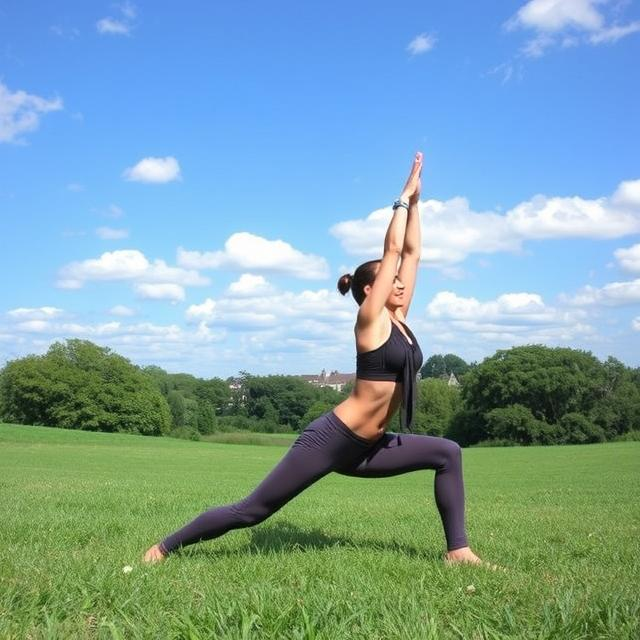
Always, there comes a point in our lives when these little things begin to play a big role - being a...
Yoga and meditation are often thought of as separate practices—but in reality, they are deeply conne...
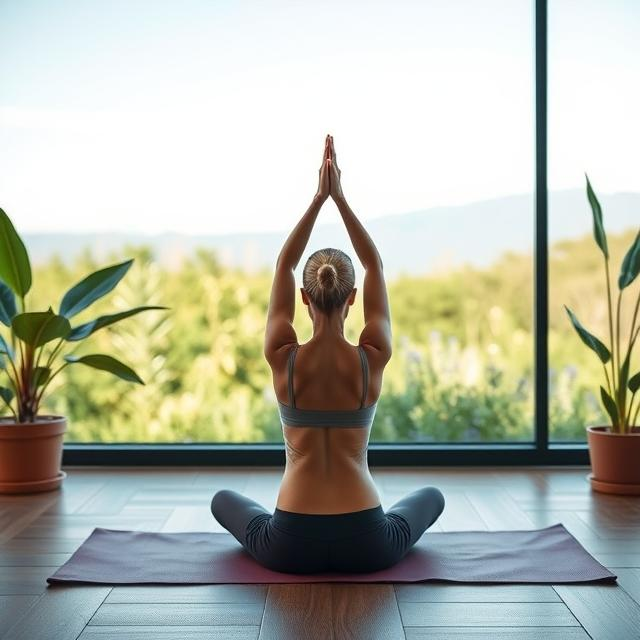
When most people think of yoga, they picture stretchy poses on a mat. But yoga is so much more than...